 blog
Professional Men's Haircut Services: A Complete Guide
Table of Contents
- What Professional Men's Haircut Services Actually Deliver
- The Men's Haircut Consultation: Setting the Foundation
- Haircut Styles and Precision Techniques for Men
- How Often to Get a Men's Haircut for Optimal Results
- Understanding Men's Haircut Cost and Value
- Professional Beard Trim and Sculpting Services
- Barber Versus Salon: Choosing the Right Environment
- Frequently Asked Questions
Last Updated: October 16, 2026
What Professional Men's Haircut Services Actually Deliver
A professional men's haircut services in Maryland is far more than a quick trim. At A CUT ABOVE, we understand that the right haircut shapes how you present yourself.
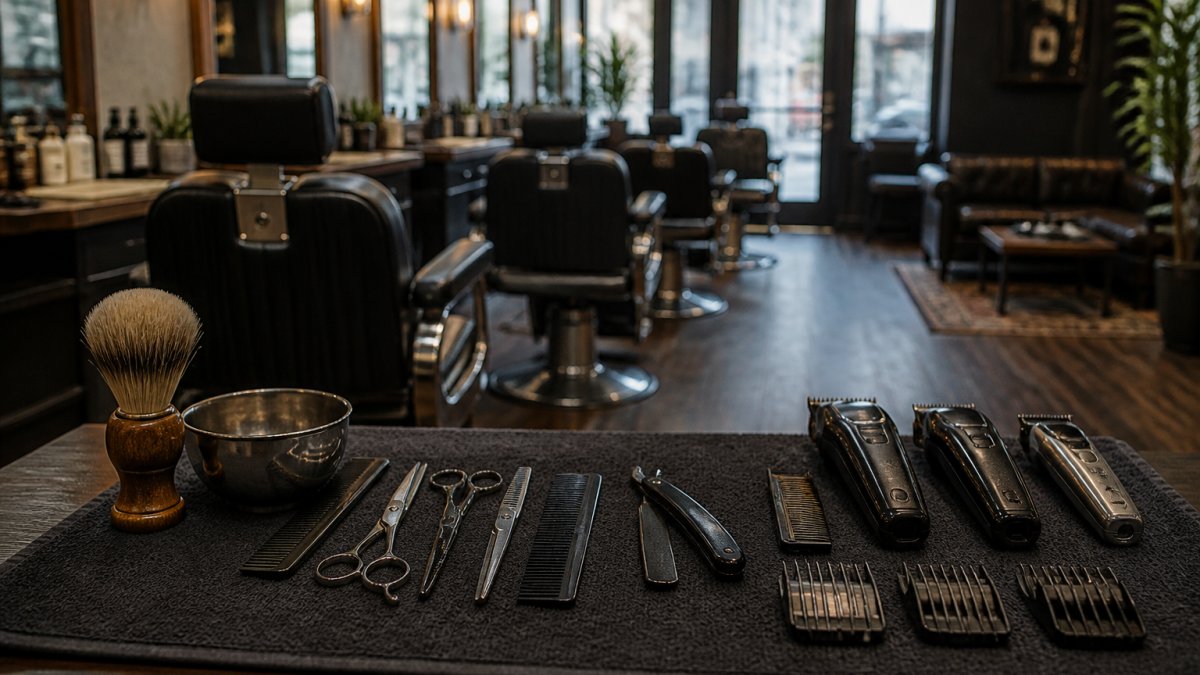
Precision requires skill, proper tools, and time.
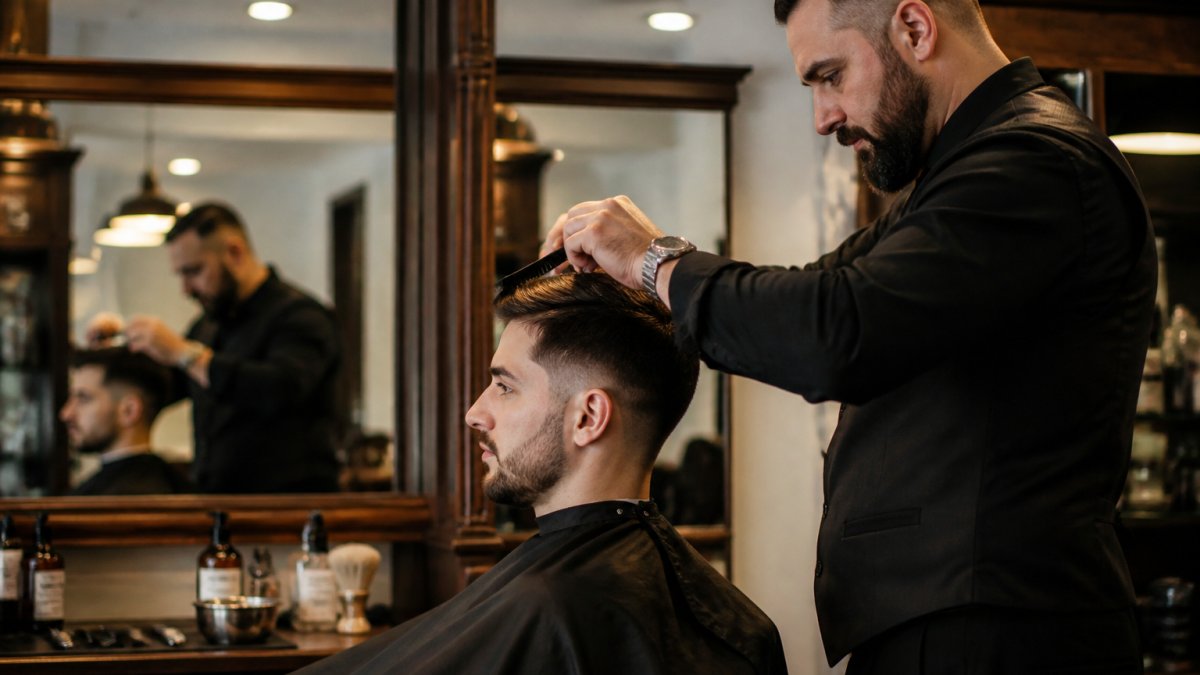
What separates professional service from standard barbering is intentionality: a consultation before the cut, careful attention during the service, and aftercare guidance afterward.
The Men's Haircut Consultation: Setting the Foundation
A men's haircut consultation determines whether your cut will succeed. This is where your barber learns what you want, assesses your hair type and growth patterns, and recommends what will actually work.
During a consultation, communicate three things clearly: the overall length you prefer, the style you're drawn to (bring photos if helpful), and how much time you want to spend styling at home.
The consultation also sets expectations for maintenance. Some styles require frequent trims; others grow out gracefully. Understanding this upfront prevents disappointment and helps you commit to a grooming schedule that fits your life.
Haircut Styles and Precision Techniques for Men
Men's haircut styles have expanded well beyond the basics. Professional barbers work with dozens of variations, each suited to different face shapes, hair types, and lifestyles. The key is matching the style to your needs.
Fade Haircuts and Skin Fades
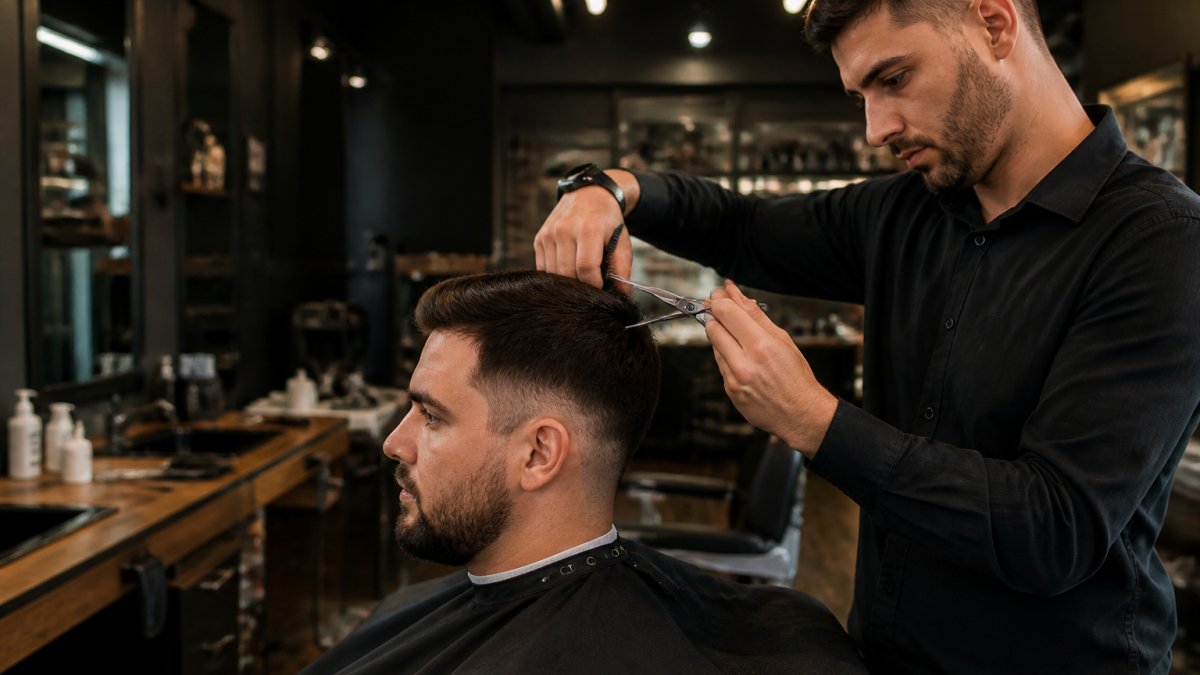
A fade haircut gradually shortens hair from longer on top to very short on the sides and back. Fades range from subtle to dramatic, and the taper can be high, mid, or low depending on where the shortening begins. A skin fade takes this further, cutting the sides down to bare scalp for maximum contrast and a sharp, defined look.
Fades suit most face shapes and hair types but require maintenance every 3-4 weeks as the fade loses definition. The precision required is significant, and the transition between lengths must be smooth and even.
Classic and Flat-Top Styles
A classic men's haircut maintains consistent length on top with shorter sides, creating a timeless look for any professional setting. The flat-top keeps the top flat and level, often with a defined line where it meets the shorter sides. Both can be styled with product or worn natural.
These styles suit men who prefer simplicity and don't want to style each morning. They also age well. The challenge is finding a barber who cuts them with precision, since any unevenness becomes visible.
How Often to Get a Men's Haircut for Optimal Results
The timing of your men's haircut depends on your style, hair growth rate, and how quickly the cut loses shape. Most men benefit from a trim every 3-4 weeks.
If you wear a fade or a style with defined lines, expect to return every 3-4 weeks as the contrast fades and the lines blur. If you prefer a longer style that grows out gradually, you might stretch to 5-6 weeks between cuts.
A men's haircut consultation should include a timing recommendation for your style. Booking the next cut before leaving the chair removes the guesswork and helps your barber maintain continuity in your look.
Understanding Men's Haircut Cost and Value
Price is the first thing most men check and the last thing most service pages explain. Here is how men's haircut pricing breaks down so you can compare quotes on equal footing.
What Drives the Price of a Men's Haircut
Five variables move the number more than anything else:
- Service tier. A basic clipper cut sits at the bottom of the menu. A scissor cut, a skin fade, or a cut with a hot towel finish sits higher because it takes more time and more skill.
- Barber seniority. A shop owner, master barber, or stylist with a decade behind the chair typically charges more than a newer barber at the same shop. Many shops publish two or three tiers for exactly this reason.
- Time in the chair. A 20-minute clipper cut and a 45-minute scissor-and-fade appointment are not the same product. Ask for the expected appointment length before you book.
- Add-ons. Beard trim, straight-razor neck shave, eyebrow cleanup, shampoo and style, and hot towel treatment are usually priced separately. A $35 cut can become a $60 visit once you add a beard sculpt.
- Location and overhead. Rent, licensing, and operating costs vary widely across the state, so the same service can carry different prices in a dense metro corridor versus a smaller town.
Typical Price Ranges You Will See
Exact prices change constantly, so treat any published number as a starting point and confirm at booking.
A few practical notes. Many shops price by tier rather than style, so a skin fade and a scissor cut may cost the same at one shop and differ by $15 at another. Tipping is customary; 15 to 20 percent is common, and some shops add a card processing fee. Some shops offer lower rates for children, seniors, or active-duty service members, and many run weekday or off-peak discounts.
How to Compare Two Quotes Fairly
When you call two shops, ask the same four questions so the numbers line up:
- What is the price for my specific style, not the starting price?
- How long is the appointment?
- What is included, and what costs extra?
- Is there a cancellation or no-show fee?
A cut that takes 20 minutes and a cut that takes 45 minutes with a consultation are not competing on price alone. Divide price by appointment length for an honest cost-per-minute comparison.
When Paying More Is Worth It
Spend up on three things: a style with visible lines (fades, flat-tops, hard parts), a beard you want sculpted rather than trimmed, and any service involving a straight razor. Those are where a small skill gap shows immediately and a cheap cut costs you a re-do. Save on styles that grow out gracefully, like a longer layered cut or simple taper, where a professional cut and a less expensive cut look similar after two weeks.
state barbering and cosmetology licensing and shop regulations
Professional Beard Trim and Sculpting Services
For men who wear beards, a professional beard trim is as important as a haircut. It isn't just cutting away length, it's shaping and sculpting the beard to complement your face and maintain a polished appearance.
Beard Shaping and Hot Towel Shaves
Beard sculpting involves defining the neckline, shaping the cheeks, and trimming length to create a structured, intentional look. A professional barber uses clippers and scissors to shape the beard while maintaining fullness where you want it.
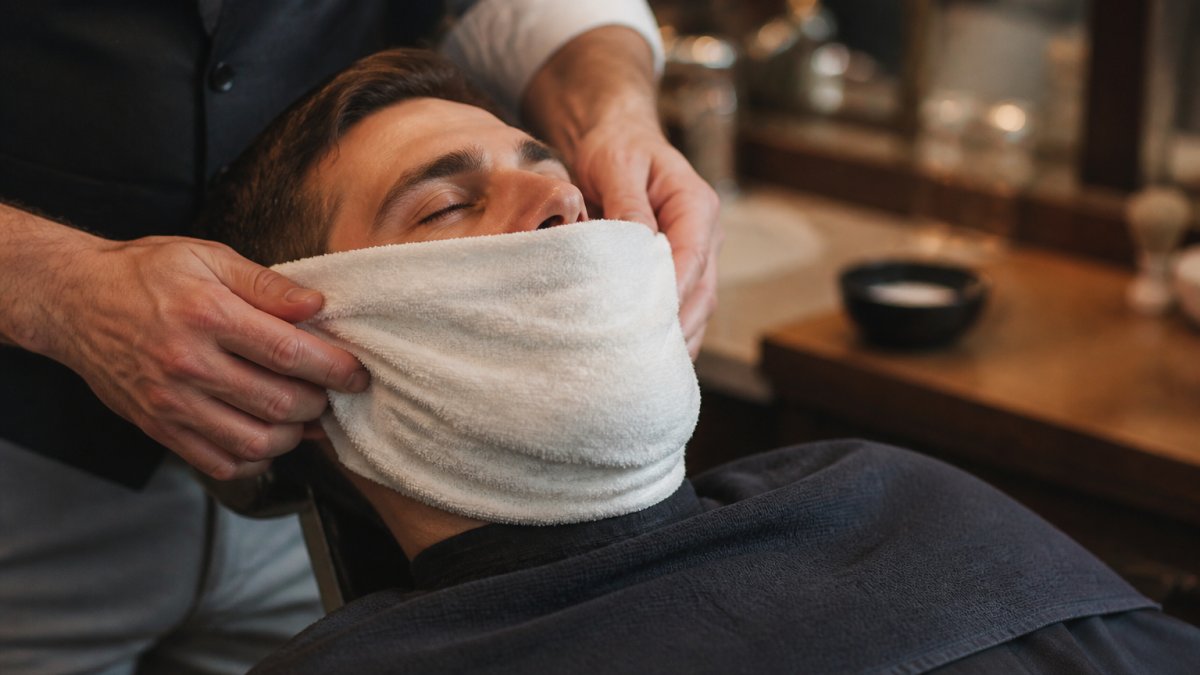
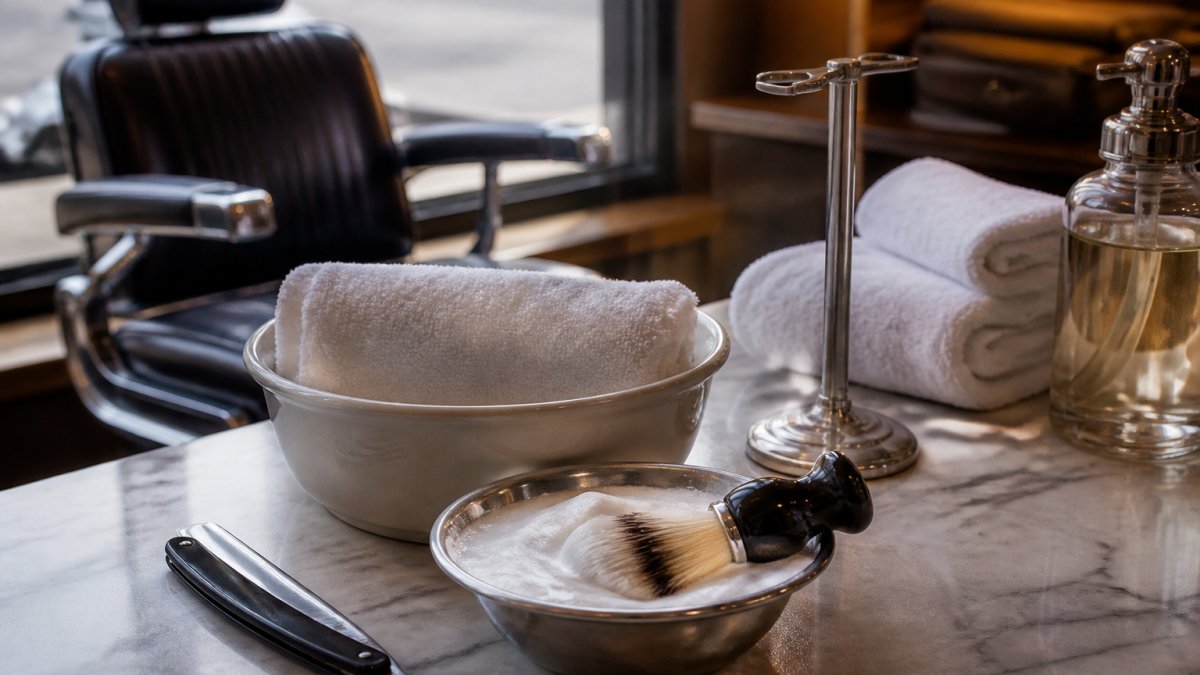
A hot towel shave is a traditional service where a barber uses a straight razor on specific areas, typically the neck, cheeks, and upper lip, leaving the beard intact. The hot towel opens pores and softens hair, making the shave smooth and comfortable.
Both services require skill and proper tools. A barber trained in traditional techniques understands how to use a straight razor safely and shape a beard to flatter your face.
Barber Versus Salon: Choosing the Right Environment
Most roundups list barbershops and salons side by side and leave you to guess which to call. This section gives you a decision rule based on what you actually want done.
The Short Answer
Choose a barber if your priority is a men's cut with visible structure (fades, tapers, flat-tops, hard parts), beard sculpting, or a straight-razor finish. Choose a salon if you want color, highlights, chemical texture services, a longer layered or textured cut, or a service that involves significant scissor work on longer hair. Choose a barbershop that also employs licensed cosmetologists if you want both under one roof, which is increasingly common.
Decision Rule by Service
| What you want | Better fit | Why |
|---|---|---|
| Skin fade or high-contrast taper | Barber | Clipper-over-comb and blade work are core barbering skills |
| Flat-top or hard part | Barber | Requires precise line work and frequent repetition |
| Beard sculpting and neckline definition | Barber | Straight-razor and edging tools are standard |
| Hot towel or straight-razor shave | Barber | Traditional barbering service |
| Color, highlights, or gray blending | Salon | Color formulation is cosmetology training |
| Perm, relaxer, or texture service | Salon | Chemical services are cosmetology scope |
| Long layered cut with lots of scissor work | Either, but check the portfolio | Skill matters more than the label |
| Curly or highly textured hair | Either, but ask specifically | Look for a stylist or barber who cuts your texture regularly |
The Licensing Distinction That Actually Matters
In the U.S., barbers and cosmetologists are licensed separately, and scope of practice differs by state. Barbers are generally trained in shaving, beard work, and men's cutting; cosmetologists in coloring, chemical services, and styling. Many states allow overlapping services, and some shops hold both licenses or employ both types of practitioners.
This matters practically: if you ask for a chemical service at a barbershop that only employs barbers, the shop may legally have to decline or refer you out. The same applies to a straight-razor shave at a salon that only employs cosmetologists. Ask what licenses the shop holds before booking a service at the edge of the menu.
Questions That Reveal the Right Fit in One Call
- "Do you cut my hair texture regularly?" Texture experience is the single best predictor of a good result.
- "Who in the shop does the most fades?" or "Who does the most scissor work?" Shops will usually tell you.
- "Can I see recent work on hair like mine?" A portfolio or social feed answers more than any description.
- "Do you take walk-ins, or is it appointment only?" This tells you how the shop is structured and how long you will wait.
- "Is the shop accessible, and is parking available?" Worth asking before a first visit, especially in dense corridors.
What to Do If You Are Unsure
Book a consultation or a single basic cut before committing to a standing appointment. One visit tells you more than any review: whether the barber listened, whether the cut held its shape for two weeks, and whether the shop's booking and wait-time habits fit your schedule. If it works, book the next one before you leave the chair. If not, you've lost one appointment, not a relationship.
state board of barbers and cosmetologists licensing lookup
Frequently Asked Questions
What should I expect during a men's haircut consultation?
A professional consultation begins with a discussion of your hair type, face shape, lifestyle, and personal style goals. Your barber will examine your hair's natural growth patterns and texture, then recommend haircut styles that complement your features. This conversation ensures the final result aligns with your expectations and is maintainable between appointments. Quality consultations prevent miscommunication and establish the foundation for a precision haircut tailored specifically to you.
How often should men get a haircut to maintain their style?
Most men benefit from a haircut every 4 to 6 weeks, depending on hair growth rate and the style's maintenance requirements. Fade haircuts and shorter styles may need attention every 3 to 4 weeks to maintain clean lines and shape. Longer styles can extend to 6 to 8 weeks. Regular appointments also prevent overgrowth that compromises the precision and definition your barber created. Consistency in scheduling helps your barber refine and perfect your look over time.
Why does professional men's haircut cost more than a chain barbershop?
Professional grooming services reflect the expertise, time, and environment invested in your care. Precision haircuts require specialized training in hair cutting techniques, understanding of hair types, and skill in sculpting styles like fades and flat-tops. Premium barbershops offer consultation, personalized attention, quality grooming products, and often additional services like hot towel shaves or beard sculpting. Visit A Cut Above's website for current pricing and to understand the specific value included in their service offerings.
Is a professional beard trim worth it for men in professional settings?
A professional beard trim is valuable for maintaining a polished appearance in professional environments. A skilled barber shapes and sculpts your beard to complement your face shape and haircut, creating a cohesive grooming presentation. Straight-razor work and hot towel shaves provide precision and a refined finishing touch that at-home grooming rarely achieves. For men prioritizing their personal brand and professional image, regular beard sculpting ensures your grooming supports your confidence and credibility.