 blog
Traditional Shaves vs Electric Razor Shaves: Which Wins?
Last Updated: November 4, 2026
Quick Summary
Traditional shaves usually win on closeness and a smooth finish, while electric razors win on speed, convenience and lower irritation for sensitive skin. A traditional shave can take 15 to 30 minutes, compared with 3 to 5 minutes for an electric razor. The better choice depends on your skin, schedule and how close you want to finish.
- Traditional shaves give a closer, smoother finish than most electric razors.
- A traditional shave takes 15 to 30 minutes; an electric razor takes 3 to 5 minutes.
- Electric shavers generally cause less irritation, which suits sensitive skin.
- A traditional blade used on dry skin or with a dull edge can cause harm.
- Electric razors need a replacement head every 12 to 18 months, as a recurring cost.
Table of Contents
- Traditional Shaves vs Electric Razor Shaves: How They Differ at a Glance
- Closeness of Shave: Traditional Razor vs Electric Shaver Closeness
- Wet Shaving vs Dry Shaving: Which Technique Fits Your Routine
- Electric Shaver vs Razor for Sensitive Skin: Irritation, Nicks, and Razor Burn
- Speed, Convenience, and the Environmental Footprint of Each Method
- Electric Razor Maintenance and Replacement Costs Over Time
- Choosing Your Next Shave: Where to Book a Traditional Hot Towel Shave in Maryland
- Frequently Asked Questions
Traditional Shaves vs Electric Razor Shaves: How They Differ at a Glance
A traditional shave and an electric razor shave both remove hair, but they get there in very different ways. We treat the traditional shave as a ritual, not a chore, so we explain both methods with that in mind. Traditional shaves vs electric razor shaves is a question with no single winner, because the right answer depends on your skin, your schedule and how close you want to finish.
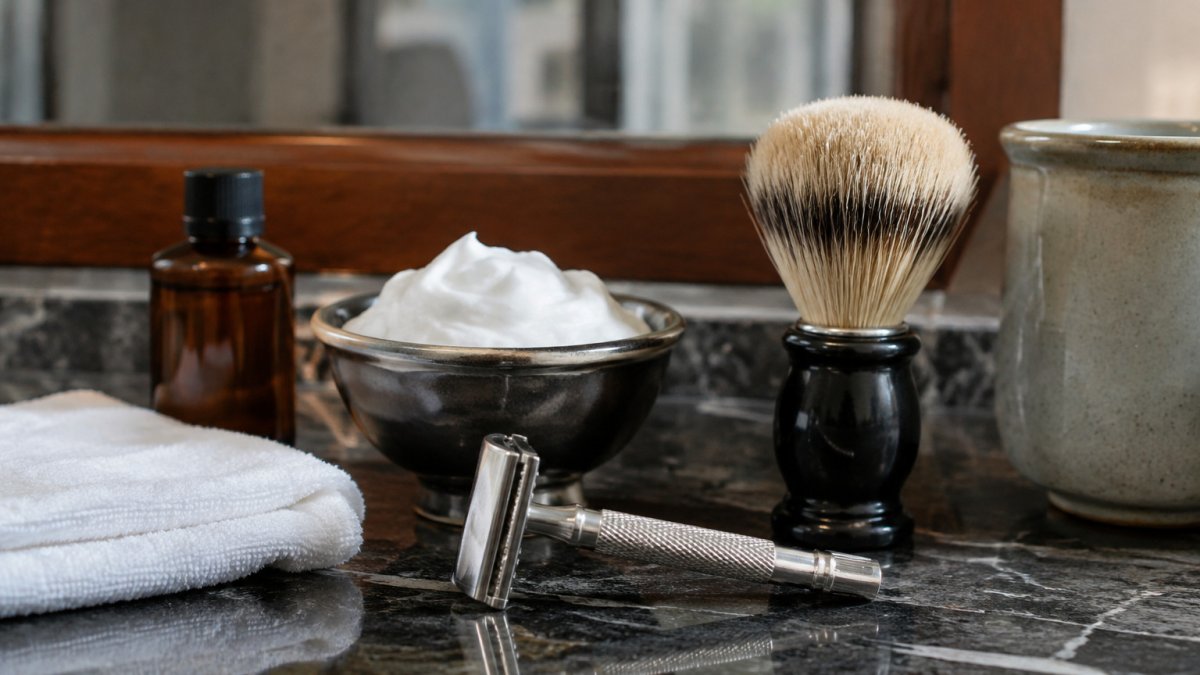
Traditional shaving uses a blade, usually a straight razor or safety razor, with hot water, lather and careful technique. An electric razor uses rotating or foil heads that cut hair without a blade touching the skin directly. The difference shows up in the finish, the time involved and the risk of irritation.
A useful way to compare them:
| Factor | Traditional Shave | Electric Razor |
|---|---|---|
| Closeness | Closer, smoother | Good, but can leave slight stubble |
| Time | 15 to 30 minutes | 3 to 5 minutes |
| Irritation risk | Higher without good technique | Lower, especially for sensitive skin |
| Upfront cost | Higher for quality blades and tools | Moderate to high for the device |
| Upkeep | Blades, lather, aftercare | Cleaning, replacement heads |
Gillette's guidance makes the central trade-off clear: wet shaving tends to give a closer, smoother finish, while dry shaving is better for speed and convenience. Gillette wet shaving vs dry shaving guide
Closeness of Shave: Traditional Razor vs Electric Shaver Closeness
Closeness is where traditional shaving usually wins. A sharp blade cutting hair at the skin's surface, with the skin softened by warm water and lather, produces the closest result most men can achieve. Electric shavers have improved, but they cut hair slightly above the skin in many cases, so a few short hairs often remain.
This matters most for men who need a clean line, such as for a job interview or a formal event. If a crisp finish is the goal, a traditional shave is the stronger choice. If you are happy with a clean, presentable look that holds through the day, an electric shaver is usually enough.
Watch out: a traditional blade used on dry skin or with a dull edge can cause more harm than benefit, so closeness should never come at the expense of skin health.
Wet Shaving vs Dry Shaving: Which Technique Fits Your Routine
Wet shaving uses water, soap or cream and often a blade. Dry shaving uses an electric razor on dry skin. The technique you choose shapes the whole experience.
Wet shaving takes longer but rewards the effort with a smoother, closer result. Dry shaving fits a busy morning. Many men switch between the two depending on the day, using a traditional shave for weekends or important occasions and an electric razor on workdays.
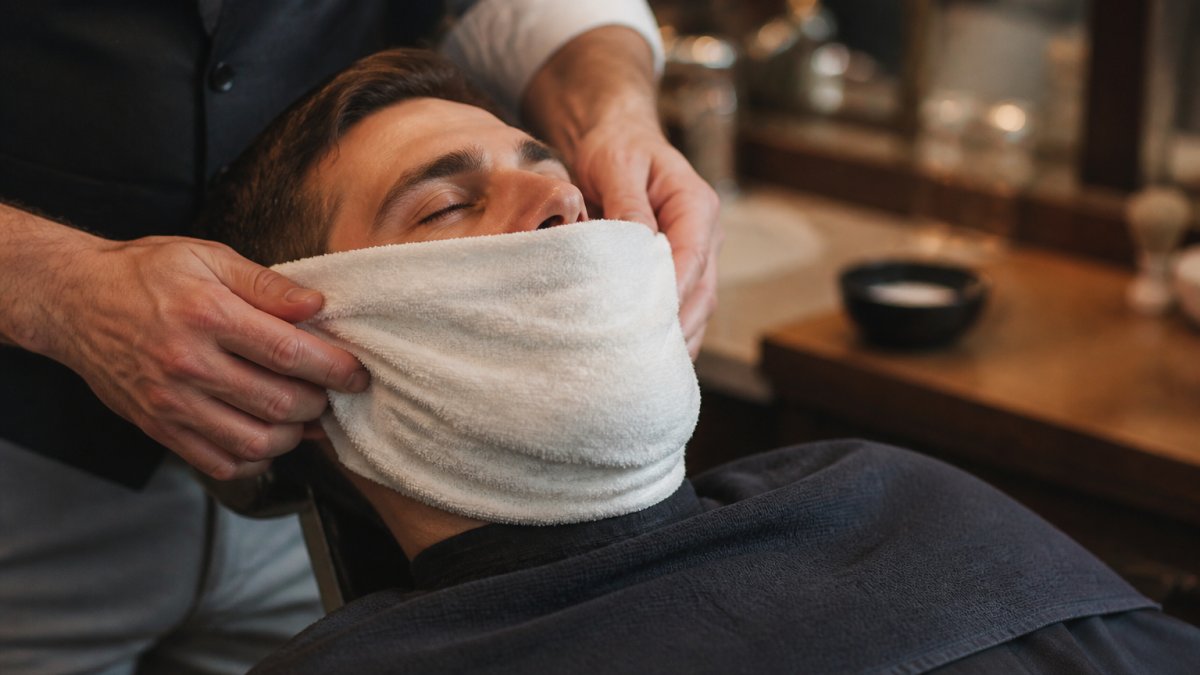
If you want to try the slower method, our own guide on a hot towel shave explains what to expect from the ritual.
Electric Shaver vs Razor for Sensitive Skin: Irritation, Nicks, and Razor Burn
Sensitive skin changes the calculation. Traditional blade shaving carries a higher likelihood of nicks, cuts and razor burn than electric shaving, according to Brio4Life's comparison of the two methods. Brio4Life electric vs traditional shaving guide
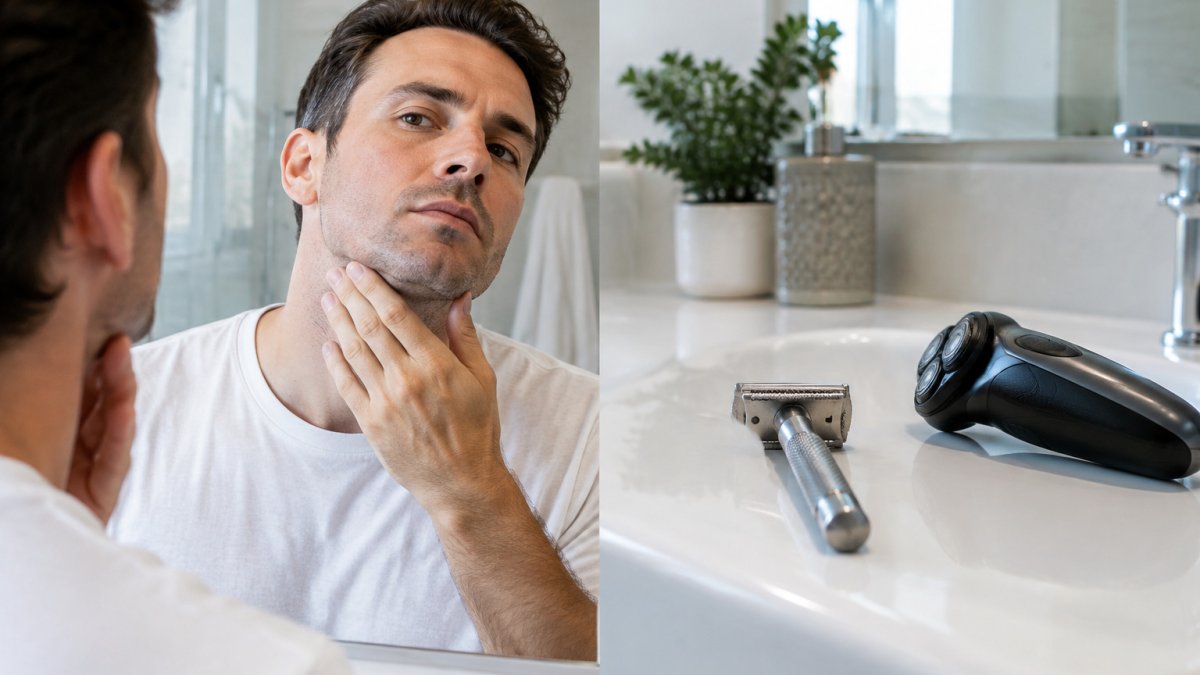
For sensitive skin, an electric shaver often causes less irritation because it does not drag a blade across the skin. Men who get ingrown hairs or razor bumps may still find electric shaving easier on their skin over time. A traditional shave can still work for sensitive skin, but it requires a sharp blade, a soft lather and a light, single-direction stroke. Achieving this balance depends on choosing an electric shaver that aligns with your specific hair growth patterns and facial contours.
A practical rule: if you already experience frequent nicks or burning, an electric razor is the safer starting point. If you tolerate blade shaving well, you can keep the traditional method for its closeness.
Speed, Convenience, and the Environmental Footprint of Each Method
Speed favors the electric razor, and the gap is larger than most men expect. If you'd rather treat the morning as a slower ritual, explore how a grooming routine can be a calming experience. A dry electric shave is typically quick, with no sink, lather or rinse needed. A traditional wet shave takes longer, because it involves preparation, lather, passes and rinsing. If your mornings are timed to the minute, the electric razor wins on clock time alone.
Convenience is not only speed. A traditional shave needs a sink, hot water, light, and enough counter space for a brush, bowl and razor; an electric razor works in a car, a gym locker room or a hotel room with a mirror. The trade-off is that an electric razor demands a charged battery and a clean head, while a traditional razor demands only a sharp blade and a few minutes of attention.
The environmental footprint is where most comparisons stop, and where the two methods diverge in ways that are easy to measure once you look at the waste streams.
Traditional shaving waste. A safety razor is a durable metal tool that can last decades, so the recurring waste is the blade. Double-edge blades are thin steel, often sold in cardboard or paper wrappers, and many municipalities accept them with scrap metal if you collect them in a rigid container. Disposable cartridges are the heavier problem: each cartridge is a molded plastic body with metal blades and a lubricating strip, and because the components are fused together, most curbside programs will not take them. A man who shaves daily with cartridges can go through roughly 50 to 100 cartridges a year, and each one is a small piece of mixed plastic and metal that ends up in landfill.
Electric shaving waste. An electric razor concentrates its impact at the two ends of its life. The device itself contains a battery, motor, circuit board and plastic housing, which makes it electronic waste at end of life; The recurring waste is the replacement head or foil-and-cutter set, which is a smaller plastic-and-metal assembly than a cartridge but is replaced less often, typically every 12 to 18 months depending on the manufacturer's guidance and how often you shave. The daily consumable is electricity, which is small per shave but not zero.
The honest comparison. Neither method is waste-free. Traditional shaving with a safety razor produces the least recurring plastic because the blade is bare steel and the tool is durable; traditional shaving with disposable cartridges produces the most recurring plastic because every cartridge is a sealed plastic-and-metal unit. Electric shaving produces less routine plastic than cartridges but creates a single e-waste item every few years plus replacement heads. If waste reduction is your priority, the safety razor is the strongest choice; if you want to cut cartridge waste without changing your routine, a razor with a metal handle and recyclable blade refills is the middle path.
Watch out: "recyclable" on a cartridge package often means the blade can be recycled at a specialty drop-off, not that the whole cartridge goes in your curbside bin, so check the manufacturer's program before you assume the plastic is handled.
Speed and footprint pull in opposite directions, which is why the choice usually comes down to which cost you feel more: the minutes in your morning or the waste in your bin.
Electric Razor Maintenance and Replacement Costs Over Time
Cost is where the two methods diverge most over time, and the divergence is predictable enough to plan around. The upfront price is only the first line item; the recurring cost of blades, heads, lather and aftercare is what decides which method is cheaper after two or three years.
Electric razor costs. The device is the large one-time cost. The recurring cost is the replacement head or foil-and-cutter set, which most manufacturers recommend replacing every 12 to 18 months; those sets commonly run from about $25 to $60 depending on the model. Cleaning supplies, lubricating oil and replacement cleaning cartridges for a dock add a smaller ongoing amount.
Traditional shaving costs. Double-edge blades are the recurring cost and are typically sold in packs of 10 to 100; per-shave cost is low, often a few cents to about a quarter per blade depending on the brand, and a blade may last several shaves. A shaving brush runs $15 to $50 and lasts years, and shaving soap or cream runs roughly $10 to $25 per tub or tube, lasting a month or two with daily use. Aftershave or balm adds a small recurring amount.
Disposable cartridges change the math. If the traditional method means disposable cartridges rather than a safety razor, the recurring cost climbs sharply.
A simple five-year framework. Add these four lines for each method: the device or tool, the replacement blades or heads, the lather or cleaning supplies, and aftercare. The method with the lower total is the one whose recurring line is smaller, not the one with the lower sticker price. A safety razor usually wins on recurring cost; an electric razor usually wins on predictability because the replacement interval is set by the manufacturer rather than by how the blade feels.
Maintenance affects cost as much as price. An electric razor needs the head cleaned after most shaves and the cutter lubricated if the manufacturer recommends it; a clogged head cuts poorly and pushes you to replace it early. A safety razor needs the blade dried and the tool rinsed, and a blade that is left wet and dulled will drag and cause irritation. Neglected equipment raises the effective cost of either method because you replace parts before their time.
Choosing Your Next Shave: Where to Book a Traditional Hot Towel Shave in Maryland
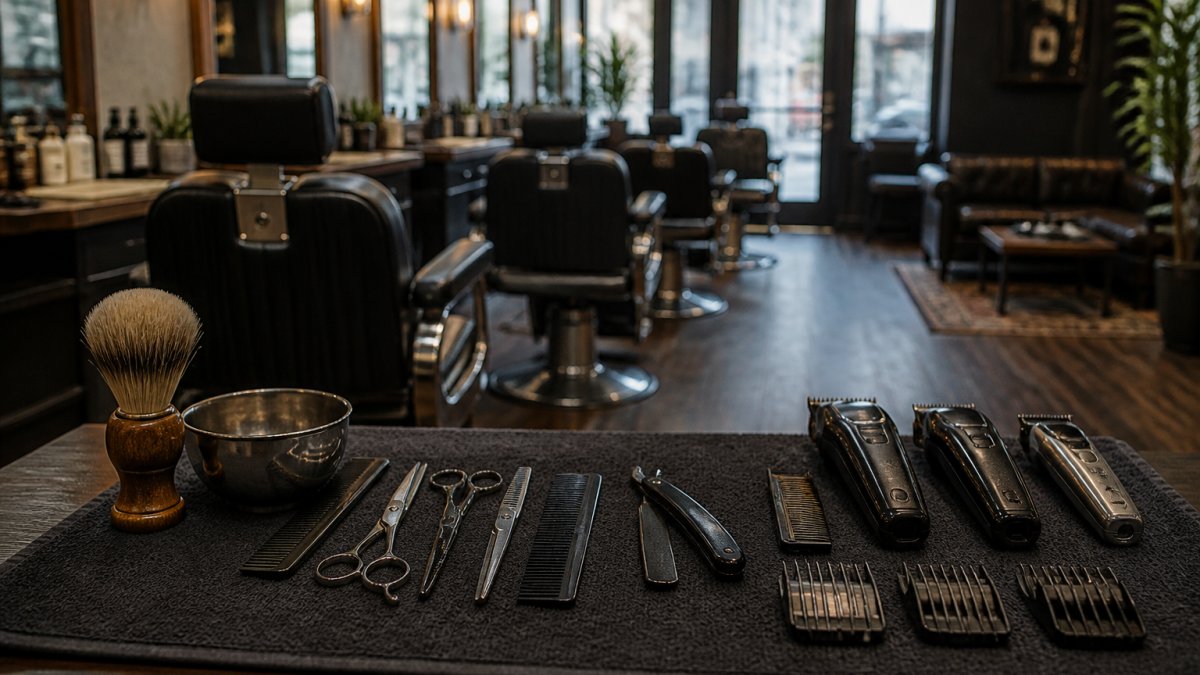
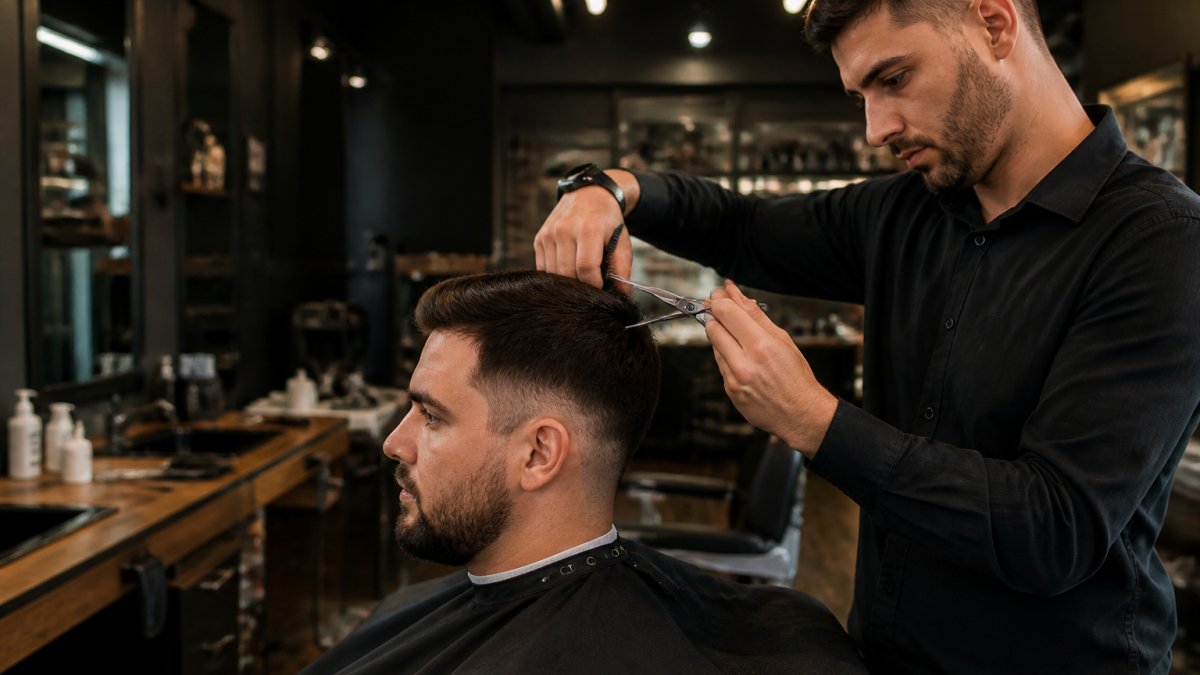
If you are weighing a traditional shave against an electric razor and want to try the experience before committing to tools, A CUT ABOVE offers traditional hot towel shaves. A CUT ABOVE, established in 2000, focuses on grooming as a ritual. Book a traditional hot towel shave with a professional barber to see whether the method suits your skin and routine.
Get started with A CUT ABOVE and experience how a slower, precise shave feels on your own skin.
Frequently Asked Questions
Is it better to shave with a traditional razor or an electric shaver?
Neither method is better for everyone. Traditional blade shaving, especially wet shaving with a lather and a sharp blade, usually produces the closest finish. Electric shavers are faster, carry a lower risk of nicks and cuts, and suit people with sensitive skin or those who shave daily. Your facial hair density, skin type, and time available should drive the choice more than any general rule.
Which gives a closer shave, an electric shaver or a blade?
A sharp blade used with shaving cream or gel and the grain generally gives the closest shave. Wet shaving generally provides a closer, smoother finish, while dry shaving favors speed and convenience. Electric foil and rotary shavers can get very close, particularly on a second pass, but they usually leave slightly more stubble than a well-executed wet shave.
Is an electric shaver better for sensitive skin?
For many people with sensitive skin, yes. Electric shavers do not press a blade against the skin, which reduces nicks, cuts, and razor burn. Traditional blade shaving can carry a higher risk of these problems compared with electric shavers. People who experience ingrown hairs may still benefit from a blade with careful technique, so a patch test and a consultation with a barber can help you decide.
How do the cost and upkeep of electric and traditional shaving compare?
Costs vary with the products you choose and how often you shave. Electric shavers involve an upfront device cost plus periodic replacement heads and cleaning cartridges. Blade shaving involves ongoing blade replacements and lather products. Check current prices directly with the manufacturer or retailer, and visit A CUT ABOVE's website for current pricing or a quote on traditional hot towel shaves.