 How-to
How to Make a Precision Haircut Last Longer
Last Updated: November 7, 2026
Quick Summary
A precision haircut lasts longer because it is built around exact lines, measured sections, and a planned silhouette rather than simply removing length. Its defined edges grow out more evenly, so the shape holds for weeks before it visibly drifts.
- Precision cuts plan the final silhouette before cutting, not after.
- Sectioning divides hair into controlled parts so each side stays matched.
- Precision appointments are often reported to take 60 to 90 minutes.
- The shape usually starts softening around weeks 3 to 4 and drifts by weeks 5 to 6.
- Drying hair in its designed direction helps protect the cut between visits.
Table of Contents
- What Makes a Precision Haircut Different From a Regular Haircut
- How Sectioning and Deliberate Cutting Build Shape That Holds
- How Hair Texture, Density, and Growth Patterns Affect Longevity
- Which Haircuts Last the Longest and Why
- How Often to Get a Precision Haircut Based on Your Hair and Schedule
- Precision Haircut Maintenance Between Appointments
- Booking Your Next Precision Trim at A CUT ABOVE
- Frequently Asked Questions
What Makes a Precision Haircut Different From a Regular Haircut
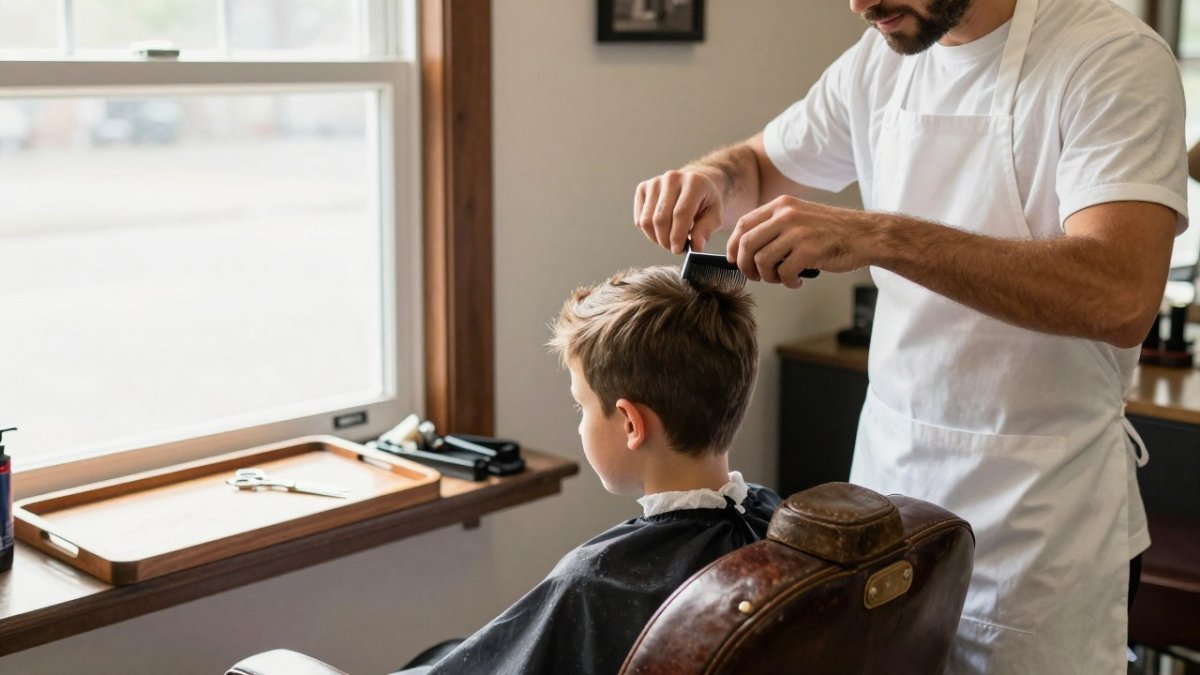
A precision haircut is a cut built around exact lines, measured proportions, and deliberate shape. Most regular trims aim to remove length. A precision cut aims to control how every section of hair falls, so the shape stays sharp after you leave the chair.
At A CUT ABOVE, we treat the cut as a structure rather than a quick trim. That shift in thinking explains most of the difference in how long the result lasts.
The main differences:
- Planned shape: The barber decides the final silhouette before cutting.
- Measured sections: Hair is divided into controlled parts so each side matches.
- Time investment: A precision haircut is often reported to take 60 to 90 minutes, compared with 30 to 45 minutes for a standard trim (Hair Bar NYC guide to precision haircuts).
Here is a simple way to tell them apart:
| Feature | Regular Haircut | Precision Haircut |
|---|---|---|
| Main goal | Shorter hair | Controlled shape |
| Sectioning | Minimal | Deliberate and measured |
| Edges | General tidy-up | Defined, crisp lines |
| Typical appointment | 30 to 45 minutes | Often 60 to 90 minutes |
| Grow-out | Shape loosens quickly | Shape holds longer |
How Sectioning and Deliberate Cutting Build Shape That Holds
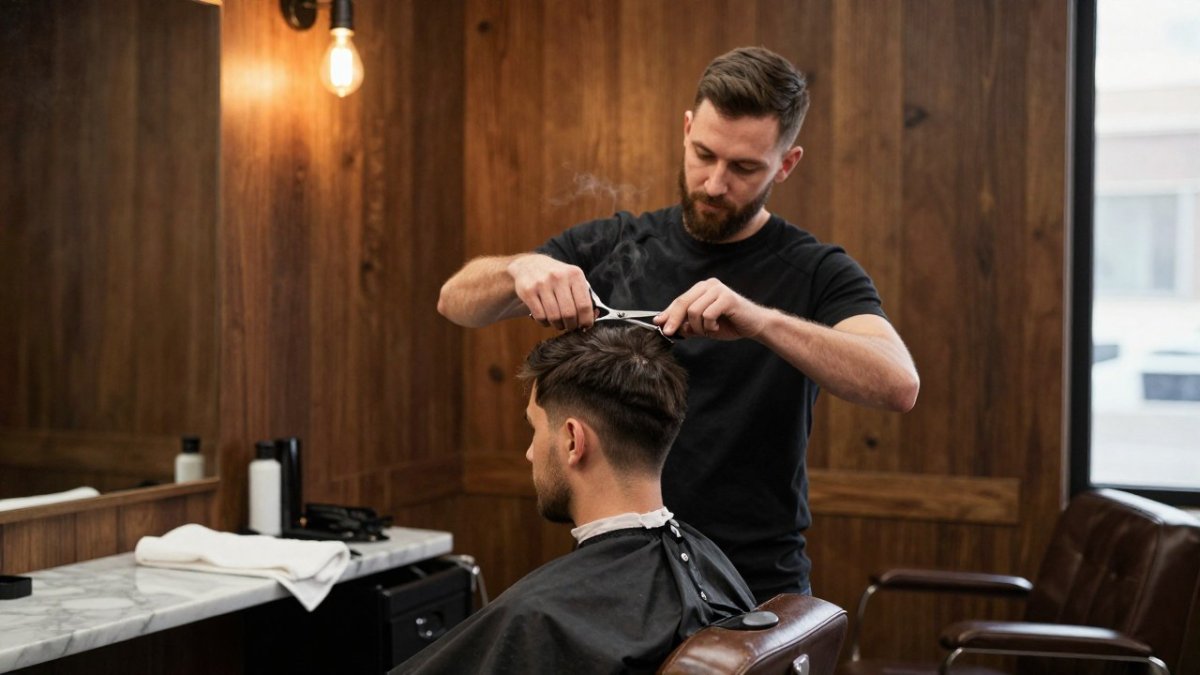
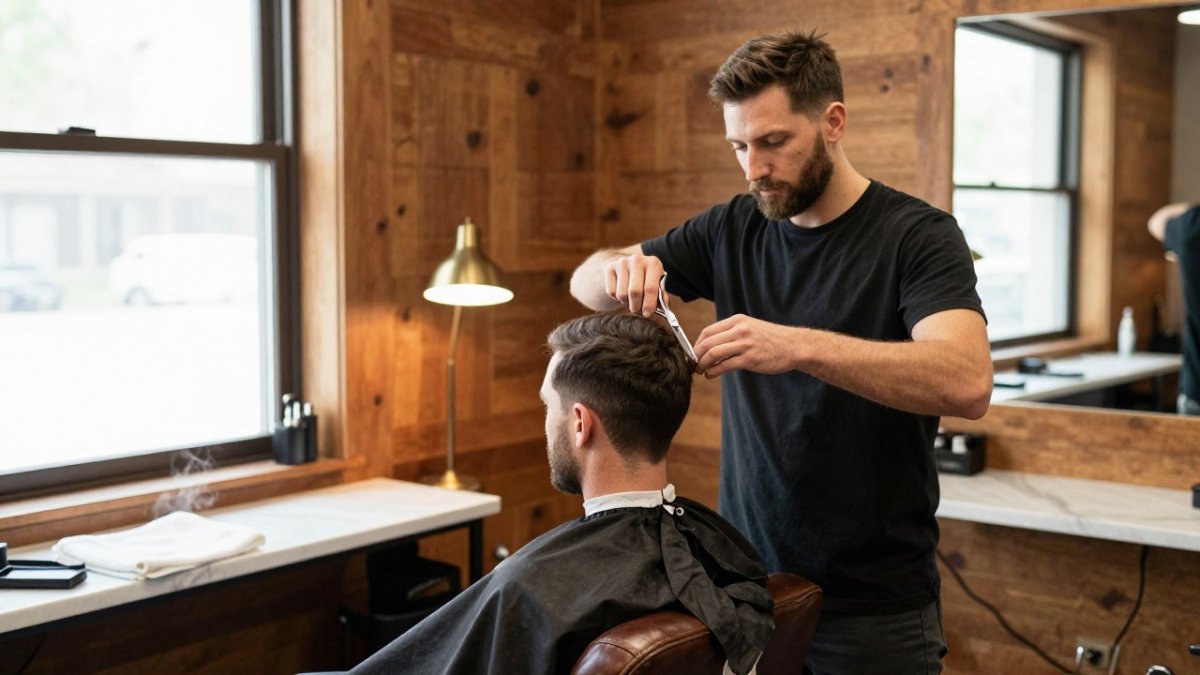
Sectioning is the practice of dividing hair into small, controlled parts before cutting. It sounds technical, but it solves a simple problem. If each part is cut on its own plan, the whole head ends up balanced.
Without sectioning, a barber can drift off the intended line. Small errors stack up, and within a few weeks the cut looks uneven.
How deliberate cutting works:
- The barber sets a guide length and works from it.
- Each section is cut at a consistent angle.
- Hair is checked dry, since hair often falls differently once it dries.
How Hair Texture, Density, and Growth Patterns Affect Longevity
No two heads of hair behave the same. Texture, density, and growth direction all affect how long a precision cut keeps its shape.
- Texture: Fine hair tends to show line changes sooner, since there is less weight holding the shape in place. Coarse hair often holds a line longer but can puff out if the weight is wrong.
- Density: Thick hair can hide uneven weight for a while, then reveal it all at once as it grows. Thin hair shows changes earlier.
- Growth patterns: Cowlicks and crown swirls push hair in specific directions. A good barber plans around these instead of fighting them.
Because of these differences, the same cut can last longer on one client than another. The barber's job is to read the hair before cutting, then plan the shape around what the hair will actually do.
Which Haircuts Last the Longest and Why
Some styles hold their shape better than others, mainly because of how much they depend on exact lines.
Styles that tend to last longer:
- Short tapered cuts: The gradual transition gives a built-in guide as hair grows.
- Classic side parts: A defined part holds direction well when the sections are cut cleanly.
- Blunt, geometric cuts: Strong lines hold their outline, though they show growth quickly once the edge softens.
Styles that loosen faster:
- Long, heavily layered cuts with soft, undefined edges
- Cuts that rely on heavy product to hold their shape
A cut with strong structure gives you more weeks of good shape. A cut with soft, flexible edges looks natural sooner but also loses its form faster.
How Often to Get a Precision Haircut Based on Your Hair and Schedule
Recommended trim intervals depend on hair type and style. Between trims, keeping the clippers sharp helps preserve the clean outline that makes a precision cut last, a point worth keeping in mind with Fade Supply Co.
A week-by-week grow-out timeline
A precision cut does not fail all at once. It loosens in stages, and knowing the stages helps you book at the right moment instead of guessing.
- Weeks 1 to 2: The cut is at its intended shape. Lines are crisp, weight sits where the barber placed it, and styling takes the least effort. This is your reference point, so note how it looks now.
- Weeks 3 to 4: New growth starts to soften the outline. The perimeter is still readable, but the cut may need a little more product or a quick blow-dry to sit the same way. Most clients still consider it sharp.
- Weeks 5 to 6: The shape begins to drift. Sides may stop matching exactly, the neckline loses its clean edge, and hair around cowlicks starts to push against the planned direction. This is the window most precision cuts are designed around.
These windows are a general pattern, not a rule. The timeline is a guide for when to start watching, not a deadline.
What shortens or extends how long the shape lasts
- Hair growth rate: Hair growth rates vary from person to person. Faster growth pushes you toward the shorter end of the window.
- Texture and density: Fine or thin hair reveals line changes sooner because there is less weight holding the shape. Coarse, dense hair hides unevenness longer, then shows it suddenly.
- Style type: Tight tapers and blunt lines depend on exact edges, so they look grown out sooner. Softer layered cuts look natural longer but lose their defined shape earlier.
A self-check for when to book
Instead of counting weeks, watch for observable signs. Use this quick self-check:
- The outline looks fuzzy or uneven
- The sides no longer match
- Hair falls out of its intended direction
- You are styling more to get the same result
If you check two or more, it is time to book.
Matching the schedule to your life
Your ideal timing also depends on demands outside the chair:
- Work and social calendar: If you need a sharp look for presentations, interviews, or events, book one to two weeks before rather than the day before, so the cut has time to settle.
- Budget and time: Longer gaps save money but let the shape soften. If cost is the constraint, a precision cut's slower grow-out is exactly where it earns its keep.
- Barber availability: Booking ahead helps secure the time you need for your appointment.
A precision cut is not maintenance-free.
Precision Haircut Maintenance Between Appointments
Good maintenance can stretch the time between visits without losing shape. The goal is not to recreate the barber's work at home.
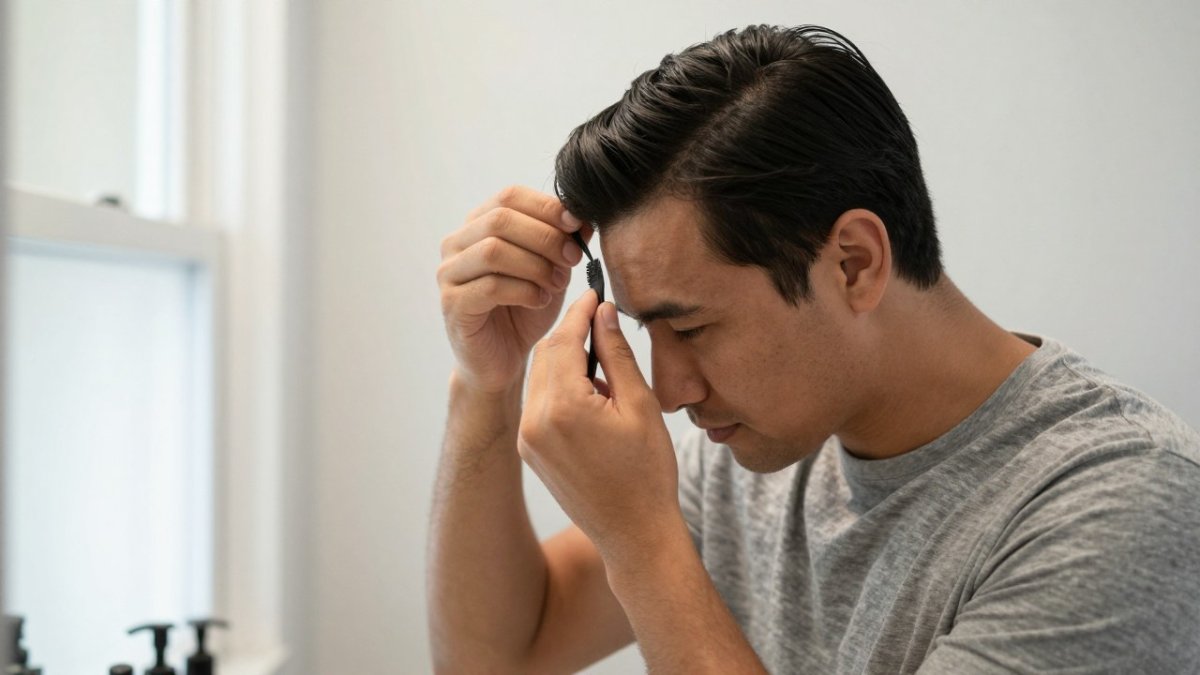
Daily habits that protect the shape
- Dry hair in its designed direction. A precision cut is built around how your hair naturally falls. Towel-drying against that direction, or letting hair air-dry into a random part, trains it to sit against the plan. Start at the crown and work outward in the direction the barber set.
- Use a light product matched to your texture. Heavy pomades and waxes weigh down fine hair and collapse the outline. Coarse hair can take more product, but the principle is the same: enough to guide, not enough to load.
- Wash on a schedule that suits your hair. Clean hair holds shape better, but over-washing strips oils and makes fine hair limp. Most people do well washing every one to two days, adjusting for how oily their scalp runs.
- Keep heat tools off the outline. Flat irons and hot brushes pressed along the perimeter can stretch or flatten the edge, which blurs the line faster than growth does. If you use heat, keep it away from the neckline and sideburns.
Between-visit habits that help
- Trim the neckline and sideburns only if your barber shows you how. Ask for a demonstration at your next appointment.
- Sleep on a clean pillowcase and rotate sides. Sleeping on one side flattens that side and can push hair into an unintended direction over time. A clean pillowcase also reduces oil buildup that makes hair sit flat.
- Note how the cut looked when it was freshest. A quick photo on day one gives you a reference for what to aim for when styling, and a way to spot when the shape has genuinely drifted.
- Book the next appointment before you leave. Precision cuts are designed around a schedule, and booking ahead keeps you from stretching into the reshape window by accident.
Watch out: home trimming of the outline is risky. A small mistake at the edge can throw off the whole balance until the next professional visit, and fixing it often means cutting more than you intended.
What not to do between visits
- Do not try to reshape layers or thin out bulk yourself. Precision cuts depend on weight distribution, and removing weight at home is the fastest way to lose the shape.
- Do not switch products every week. A cut that is styled consistently is easier to read, and you will notice real changes in the shape sooner.
- Do not skip the dry check at your next appointment. Ask your barber to show you how the cut falls once it is dry, so you can match that at home.
Maintenance will not make a precision cut last forever, but consistent habits can help preserve its shape between visits.
Booking Your Next Precision Trim at A CUT ABOVE
At A CUT ABOVE, we focus on grooming as a ritual rather than a quick service.
If you are weighing whether a specialist is worth it, think about how often you return and how much the shape matters to you. For a fuller look at what our appointments involve, read our complete guide to professional men's haircut services and our guide to how often men should get haircuts.
When you are ready to book, our team can help you choose the right schedule for your hair. You can also review how to schedule a precision haircut in Maryland, how premium haircut pricing compares with a chain barbershop, and whether A Cut Above is worth it for a precision haircut.
Ready for a cut that holds its shape? Book your next precision trim with A CUT ABOVE and let us plan the lines around your hair.
Frequently Asked Questions
What is the difference between a regular haircut and a precision haircut?
A regular haircut removes length and leaves the rest to the hair's natural tendencies. A precision haircut is built section by section, with each cut placed deliberately to create clean lines, balanced proportions, and a defined shape. Because the structure is planned rather than improvised, the shape tends to hold its outline as the hair grows, so the cut looks intentional for longer. Precision work generally takes more time in the chair than a standard trim, reflecting the extra sectioning and checking involved.
Which haircuts last the longest?
Haircuts with strong geometric structure, such as blunt bobs, sharp tapers, and defined crops, tend to keep their shape well because their lines are easy to see and maintain. Layered cuts and textured styles can look good for longer on some hair types since they hide grow-out. Hair texture, density, and growth pattern matter as much as the cut itself: fine hair often loses shape faster, while thick or coarse hair can hold a structured cut longer. Ask your stylist which version of the cut suits your hair type.
How often should you get a precision haircut?
How often to book depends on hair type, growth rate, and the style chosen, and shorter, sharper styles often need attention sooner. A simple check: if the outline looks softened, the sides no longer sit evenly, or the style needs more styling to look right, it is time to book. Scheduling the next appointment before you leave keeps the shape consistent.
How can you maintain a precision haircut between appointments?
Wash and style with products suited to your hair type, and use minimal styling so the natural structure of the cut does the work. Dry-check the cut occasionally to see how the lines fall once the hair settles. Avoid frequent heat styling that can change how the hair sits. Keep your neck and edges tidy between visits with light trimming only if your barber has shown you how, and bring photos of how the cut looked when it was fresh so your next appointment starts from the right reference.